
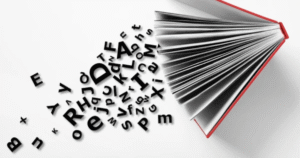
Let’s talk about dyslexia. Not the textbook definition, not the pity-party version, and definitely not the outdated “learning disability” label that makes it sound like a lifelong struggle with spelling tests. No-we’re talking about the real story. The one with grit, creativity, and a whole lot of brilliance.
Dyslexia has long been viewed through a negative lens. People hear the word and think “difficulty,” “delay,” or “disadvantage.” But here’s the plot twist: dyslexia comes with a set of strengths that many would kill for. We’re talking big-picture thinking, problem-solving, creativity, and resilience. Basically, superpowers.
And while the stigma still lingers like a bad smell in a school hallway, more and more people are flipping the narrative. They’re turning what was once seen as a limitation into a launchpad. And the results? Nothing short of extraordinary.
The Myth of “Less Than”
Let’s start by busting a myth: dyslexia does not mean someone is less intelligent. In fact, many people with dyslexia have above-average intelligence. They just process information differently. And different doesn’t mean broken-it means unique.
But thanks to outdated education systems and a general lack of understanding, dyslexia has been treated like a problem to fix rather than a strength to harness. Kids are told to “try harder,” adults are made to feel inadequate, and the word itself becomes a label that sticks.
It’s like giving someone a pair of roller skates and expecting them to run a marathon. Wrong tools, wrong expectations, wrong conclusions.
And the worst part? That label often follows people for life. It shows up in report cards, job interviews, and even casual conversations. It becomes a quiet whisper in the back of their minds: “You’re not good enough.” But that whisper is a lie.
Enter the Dyslexic Superpowers
Now let’s talk about the good stuff. Because dyslexia isn’t just a challenge-it’s a gift. And some of the world’s most successful people would agree.
Take Richard Branson, founder of the Virgin Group and professional disruptor of industries. Branson has spoken openly about how dyslexia shaped his approach to business. He once said, “Dyslexia is not
a curse; it’s a challenge. And with the right support, dyslexics can achieve great things.” He credits his dyslexia for his ability to think differently, simplify complex ideas, and connect with people. He didn’t follow the rules-he rewrote them.
Then there’s Steve Jobs, co-founder of Apple and the guy who made black turtlenecks iconic. Jobs didn’t just think outside the box-he redesigned the box entirely. His ability to see patterns, connect ideas, and innovate came from a brain that didn’t follow the usual pathways. And thank goodness for that-otherwise, we’d all still be using flip phones.
Ingvar Kamprad, the late founder of IKEA, used his dyslexia to revolutionize the furniture industry. His unique way of thinking led to IKEA’s famously simple product names and flat-pack design. Dyslexia didn’t hold him back-it helped him build a global empire.
And then there’s Jared Blank, marathon runner, speaker, and collegiate athletics professional. Blank uses his platform to raise awareness about dyslexia and inspire others. He didn’t just run marathons-he ran them while carrying the weight of stigma and still came out ahead.
These individuals didn’t succeed in spite of dyslexia-they succeeded because of it. Their brains were wired for innovation, for seeing connections others missed, for challenging the status quo. And that’s exactly what the world needs more of.
Why the Stigma Still Exists
Despite these success stories, the stigma around dyslexia persists. Why? Because we’re still stuck in a system that values conformity over creativity. Standardized tests, rigid curriculums, and one-size-fits-all expectations don’t leave much room for neurodiversity.
People with dyslexia often grow up feeling “less than” because they don’t fit the mold. They’re told they’re slow, lazy, or not trying hard enough. And that messaging sticks. It becomes internalized. It affects confidence, self-worth, and ambition.
And let’s be honest-when the system is designed for one kind of brain, anyone who thinks differently is going to struggle. Not because they’re incapable, but because they’re being measured by the wrong standards.
The real issue isn’t dyslexia-it’s the way we’ve been taught to see it. We’ve been conditioned to believe that reading speed equals intelligence, that spelling errors equal laziness, and that struggling in school equals failure. But none of that is true.
Reframing Dyslexia: From Deficit to Difference
It’s time to reframe dyslexia-not as a deficit, but as a difference. A different way of processing, thinking, and solving problems. And in a world that desperately needs innovation, empathy, and fresh ideas, that difference is a huge asset.
People with dyslexia often excel in areas that require imagination, intuition, and insight. They’re the ones who ask, “Why are we doing it this way?” and then actually find a better way. They’re the ones
who challenge assumptions, connect dots others miss, and bring fresh perspectives to stale conversations.
Many dyslexics are natural storytellers. They see the world in vivid detail, often thinking in pictures, patterns, and metaphors. That’s not a flaw-it’s a creative goldmine. Their ability to visualize concepts, empathize with others, and think outside the box makes them ideal leaders, entrepreneurs, artists, and innovators.
And let’s not forget emotional intelligence. Dyslexic individuals often develop a deep sense of empathy and resilience because they’ve had to navigate a world that wasn’t built for them. That kind of emotional depth is invaluable-in relationships, in leadership, and in life.
What Needs to Change
If we want to truly support people with dyslexia, we need to change the narrative-and the systems.
First, education reform is essential. Schools need more inclusive teaching methods, better training for educators, and tools that support different learning styles. Reading isn’t the only measure of intelligence. Let’s stop pretending it is. That means embracing technology, offering alternative assessments, and recognizing that brilliance doesn’t always show up in a Scantron bubble. It shows up in ideas, in questions, in creativity.
Next, workplace awareness must improve. Employers need to recognize the strengths of neurodiverse employees. That means creating environments where different thinking styles are valued, not just tolerated. It means offering accommodations without stigma and celebrating diverse contributions. Imagine a workplace where dyslexic thinkers are leading innovation teams, solving complex problems, and driving strategy. That’s not just possible-it’s already happening. We just need more of it.
And finally, representation matters. We need more stories, more voices, and more visibility. When successful people talk openly about dyslexia, it chips away at the stigma and builds a new narrative-one of strength, resilience, and brilliance. Representation isn’t just about role models-it’s about rewriting the script for the next generation. It’s about showing kids that their brains aren’t broken-they’re brilliant.
Final Thoughts: Flip the Script
Dyslexia isn’t a flaw-it’s a feature. It’s a different operating system, and like any good OS, it comes with its own set of strengths. The problem isn’t dyslexia-it’s the way we’ve been taught to see it.
So let’s flip the script. Let’s celebrate the superpowers. Let’s support the challenges. Let’s build systems that recognize and reward different ways of thinking.
Because the world doesn’t need more people who think the same. It needs more people who think differently.
And if you’re one of those people-if your brain works in loops and leaps and lightning bolts-know this: you’re not broken. You’re brilliant. And the world is finally starting to catch up.