
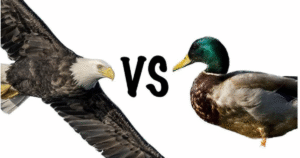
Have you ever heard the saying, “You can’t take a duck to eagle school”?
It’s one of those phrases that sounds funny at first-maybe even a little absurd. But once you sit with it, it hits differently. It’s not about birds. It’s about people. And more specifically, it’s about leadership, potential, and the sometimes painful reality of trying to force someone into a role they’re not built for.
This came up during a peer board meeting I attended a while ago. The topic? A staff member who had recently been promoted. On paper, he was qualified. Smart, capable, experienced. But in practice? He didn’t want the role. He didn’t thrive in it. He wasn’t stepping up. And no matter how much support was offered, he just wasn’t engaging with the responsibilities of leadership.
One of the members responded with a shrug and said, “You can’t turn a duck into an eagle.”
And that stuck with me.
What Does That Even Mean?
It’s not about intelligence. It’s not about skill. It’s about innate drive, ambition, and the hunger to lead.
You can train someone in technical skills. You can mentor them through processes. You can coach them on communication. But you can’t teach someone to want it. You can’t in still boldness, vision, or the instinct to take charge if those qualities aren’t already somewhere inside them.
Trying to do so is like enrolling a duck in eagle school. You can give them the best instructors, the best environment, the best resources-but they’re still going to waddle when you need them to soar.
In corporate environments, this shows up when someone is promoted based on tenure, not leadership potential. They may tick all the boxes on paper, but when the moment calls for courage, initiative, or strategic thinking-they hesitate. Leadership isn’t just a role. It’s a mindset.
The Leadership Trap: Potential vs. Drive
Let’s talk about the trap many leaders fall into-especially those of us who care deeply about our teams.
We spot someone with potential. They’re smart, reliable, great at what they do. So we think, “They’d be perfect in a leadership role.” We promote them. We invest in them. We coach them. We wait for them to rise.
But they don’t.
Not because they’re lazy. Not because they’re incapable. But because they don’t want to lead. They’re ducks-brilliant, valuable, essential ducks-but they’re not eagles.
In corporate settings, this misalignment can stall team progress and frustrate both the leader and the individual. Leadership requires more than capability-it demands desire, resilience, and a willingness to take risks.
And here’s the hard truth: potential without drive is just untapped energy. It doesn’t matter how much someone could do if they don’t want to do it.
Have You Been There?
The one you believe in. The one you’re rooting for. The one you’re trying to mould into something more.
You see their strengths. You imagine their future. You pour time and energy into developing them. But they resist. They hesitate. They stay small.
And it’s frustrating. Because you care. Because you want to see them succeed. Because you believe they could be great.
In corporate environments, this often looks like endless coaching sessions, stretch assignments, and pep talks-yet the spark never ignites. You’re doing everything right, but they’re not stepping forward.
But here’s the thing: you can’t want it more than they do.
Leadership isn’t a gift you can hand someone. It’s a fire they have to light themselves.
“You can’t push someone into greatness. You can only create space for them to rise.” – Unknown
Ducks Are Not Failures
Let’s be clear-being a duck isn’t a bad thing.
Not everyone wants to lead. Not everyone thrives in high-pressure, high-visibility roles. Some people are happiest doing what they do best, without the added weight of managing others or driving strategy.
And that’s okay.
In fact, it’s more than okay-it’s necessary. Every organization needs ducks. The steady, reliable, skilled professionals who keep things running. Who execute with excellence. Who bring depth and consistency.
Trying to turn them into eagles doesn’t just frustrate you-it alienates them. It makes them feel like they’re not enough as they are. And that’s a fast track to disengagement.
So What’s the Leadership Lesson?
Jim Rohn said it best:
“Find people that already have the motivation, drive, and desire to be eagles-and just let them soar.”
That’s the key.
Stop trying to manufacture ambition. Start identifying it. Look for the people who are already leaning in. The ones who ask for more responsibility. Who take initiative. Who think beyond their role. Who challenge the status quo.
In a corporate environment, these are the individuals who volunteer for stretch projects, speak up in meetings, and seek out feedback without being prompted. They’re not waiting for permission-they’re already moving. They may not be polished. They may not have all the experience. But they have the hunger. And that hunger is what makes them coachable, mouldable, and ready to fly.
How to Spot an Eagle
Eagles aren’t always loud. They’re not always the ones with the biggest personalities. But they show up in subtle, powerful ways.
Here’s what to look for:
- Initiative: They don’t wait to be told-they act.
- Ownership: They take responsibility, even when things go wrong.
- Curiosity: They ask questions, seek feedback, and want to grow.
- Vision: They think beyond their tasks and see the bigger picture.
- Resilience: They bounce back, learn fast, and keep moving.
In a corporate setting, eagles are the ones who lean into ambiguity, step up during a crisis, and quietly influence others through action, not ego. They don’t just meet expectations-they elevate them. They’re not chasing titles-they’re chasing impact.
If you see these traits, lean in. Invest. Empower. Let them soar.
What to Do With Ducks
You honour them.
You create roles that allow them to shine. You give them opportunities to deepen their expertise. You celebrate their contributions. You make it clear that leadership isn’t the only path to success.
In corporate environments, ducks are your specialists, your steady hands, your quiet experts. They bring depth, consistency, and excellence to the work. Not everyone needs to lead-but everyone deserves to be valued.
Because when ducks feel valued, they thrive. And when they thrive, your organization thrives.
“Not everyone wants to lead, but everyone wants to matter.” – Unknown
Final Thoughts: Lead With Clarity
Leadership isn’t about pushing people into roles they don’t want. It’s about recognizing who’s ready, who’s willing, and who’s wired to lead.
It’s about letting go of the fantasy that everyone can be an eagle-and embracing the reality that ducks are just as vital.
So the next time you’re tempted to drag someone into eagle school, pause. Ask yourself:
- Do they want this?
- Are they showing signs of leadership?
- Or am I trying to make them into something they’re not?
Because the best leaders don’t just build teams-they build aligned teams. Teams where people are in roles that match their strengths, their passions, and their drive. Teams that are not only productive, but also fulfilled and engaged.
And that’s where the magic happens.