
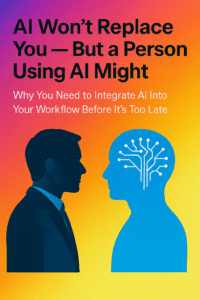
The rise of AI is sparking two very different boardroom conversations. In one corner, fear: “Which jobs will disappear?” In the other, opportunity: “Which roles will evolve, and which new ones will be born?”
Both are valid but only one of these perspectives drives sustainable growth.
AI is not just an automation tool; it’s a catalyst for reimagining how work is done. Yes, some tasks will vanish. But new capabilities, services, and even entire industries will emerge. Those who prepare now will define the future talent market.
The leaders who navigate this shift best share three traits:
- They invest in human + machine collaboration.Instead of replacing people, they redesign workflows so AI handles repetitive, high-volume tasks, freeing humans for creativity, strategy, and relationship-building.
- They lead reskilling at scale.They identify the capabilities their future business will need like data literacy, AI governance, critical thinking and invest early in upskilling existing talent, not just hiring new.
- They reshape organisational design.AI adoption is not an IT project; it’s an enterprise transformation. Structures, incentives, and cultures must evolve to value adaptability over rigid roles.
The truth is, every technological revolution has changed the shape of work. The winners aren’t those who resisted change, they’re those who embraced it, invested in their people, and designed organisations that could thrive in the new environment.
AI will not make humans obsolete. But leaders who fail to act may make their own organisations obsolete.
The question isn’t “Will jobs be lost?”
It’s “Will we evolve fast enough to fill the jobs of the future?”
Come join our AI talk next month or contact me for further information. Invitations will be sent out soon.